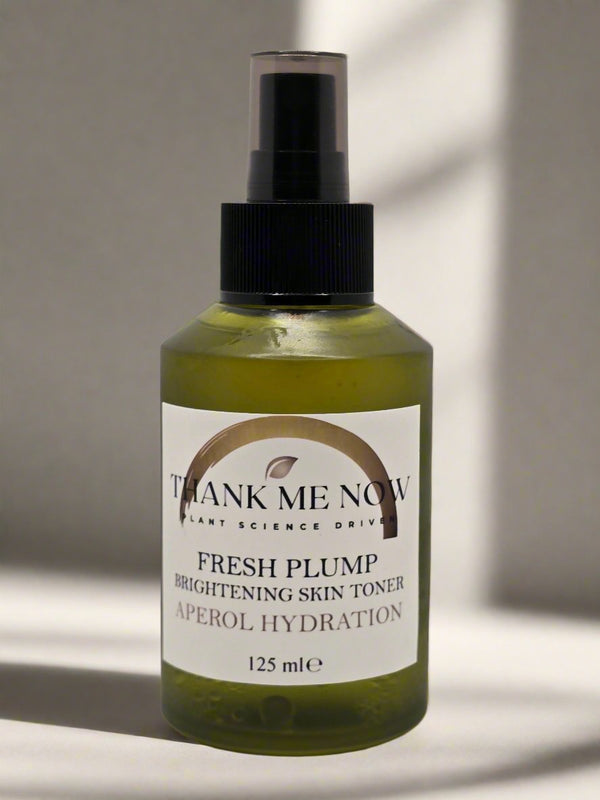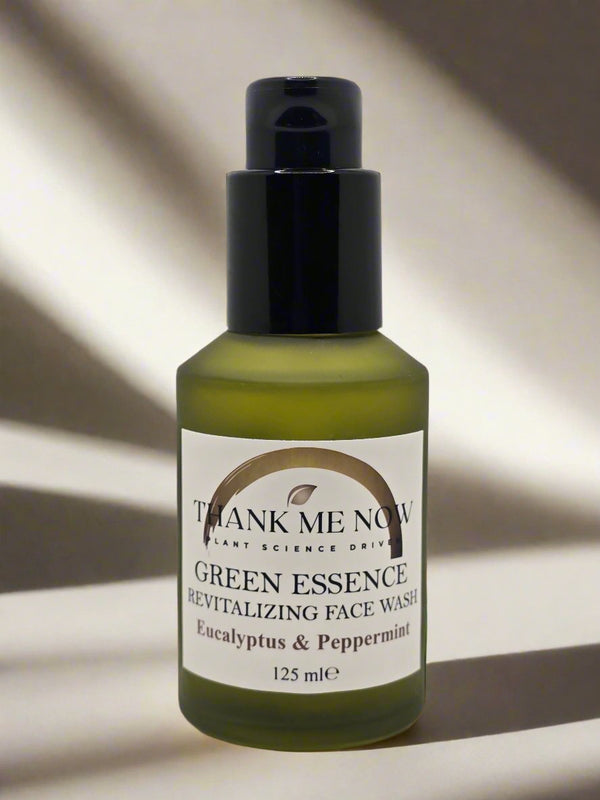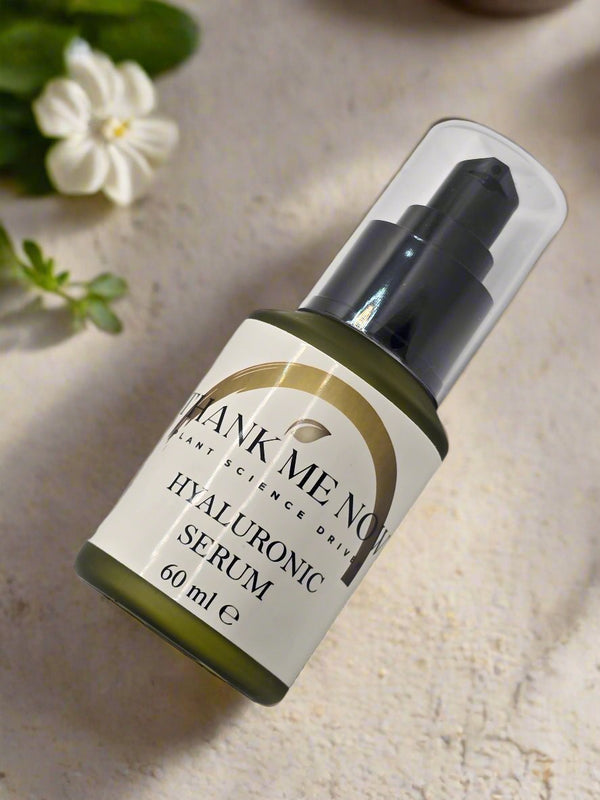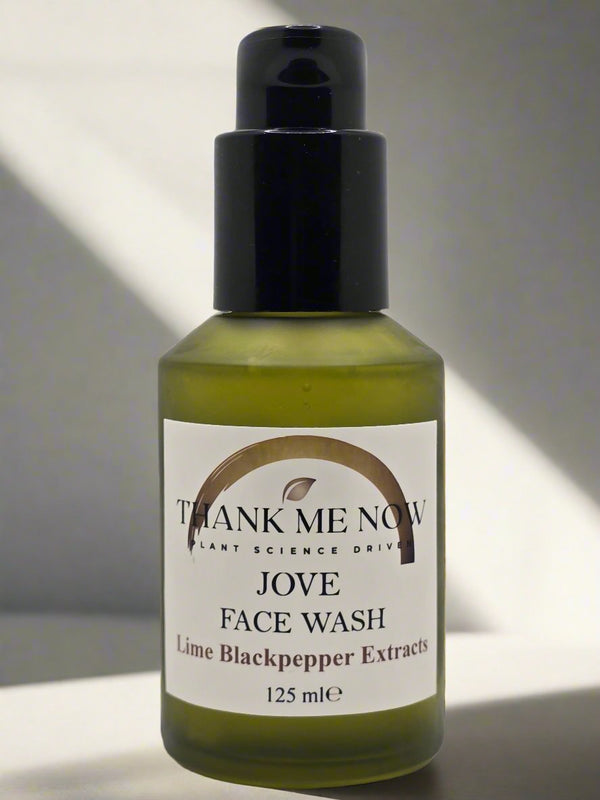

Sensitive Skin Routine
Why Sensitive Skin Needs a Different Strategy
Sensitive skin is not defined by how it looks on a good day—it’s defined by how easily it reacts on a bad one. Burning, stinging, redness, itching, or sudden breakouts are usually signs of a fragile skin barrier, not a lack of “strong enough” products.
The goal of a sensitive skin routine is not aggressive correction. It is stability. When the barrier is supported consistently, sensitivity often reduces on its own, and the skin becomes more predictable, comfortable, and resilient over time.
Key Takeaways ✅
- Sensitivity is often barrier-related: repair first, then treat.
- Consistency beats intensity: mild products used daily outperform harsh “quick fixes.”
- Fragrance is a common trigger: even natural fragrance can irritate reactive skin.
- Mineral sunscreen is often better tolerated: especially during flare-ups.
- Patch testing prevents setbacks: small steps protect long-term progress.
Morning Routine (Calm & Protect)
The morning routine for sensitive skin focuses on minimising irritation while protecting the skin from UV and environmental stressors that can worsen redness and reactivity throughout the day.
Morning
-
Cream cleanser (fragrance-free).
Use lukewarm water and gentle pressure only. Over-cleansing strips lipids and increases sensitivity, even if the cleanser claims to be “gentle.” -
niacinamide serum for calming.
Niacinamide helps support barrier function and reduce the look of redness when used at comfortable concentrations. If your skin stings, reduce frequency or switch to every other morning. -
Moisturiser with ceramides.
Ceramides replace the lipids that sensitive skin often lacks, helping reduce water loss and irritation signals. - SPF (mineral-based) Mineral sunscreens are often better tolerated because they sit on the skin’s surface and reflect UV. Apply generously and evenly as the final step.
Evening Routine (Repair & Recover)
Nighttime is when sensitive skin benefits most from repair-focused care. This is not the time to experiment with strong actives—think comfort, hydration, and barrier rebuilding.
Evening
-
Gentle cleanse.
Remove sunscreen and buildup without scrubbing. If you wore heavy sunscreen or makeup, use a very gentle first cleanse followed by a mild cleanser. -
aloe vera or oat-based serum for soothing.
Soothing ingredients help calm visible redness and reduce the “tight” feeling common in sensitive skin. -
Barrier cream with ceramides
Night creams should prioritise comfort and barrier repair over actives. A slightly richer texture is often beneficial at night.
Tip: Patch test new products for 48 hours before full use to reduce the risk of flare-ups.
Benefits 🌿
- Reduced redness and visible irritation over time.
- Improved comfort and less stinging from everyday products.
- Stronger barrier that tolerates routines better.
- Fewer sudden flare-ups and reactive episodes.
Uses 🧴
This routine is designed for daily maintenance, flare recovery, and long-term barrier strengthening.
- Reactive, redness-prone skin.
- Post-overexfoliation recovery.
- Skin experiencing frequent burning or itching.
- Support routine alongside dermatological treatments.
Side Effects ⚠️
When done correctly, side effects are minimal. Most issues arise from adding too many actives too quickly.
- Mild tingling from niacinamide in very reactive skin (reduce frequency if needed).
- Heaviness if moisturisers are too rich—adjust texture, not the concept.
Who Should Use It? 👤
- People with sensitive, reactive, or allergy-prone skin.
- Those experiencing redness, burning, or frequent irritation.
- Skin recovering from aggressive treatments or overuse of actives.
Who Should Avoid It? ⚖️
This routine is safe for most people. Only avoid or modify if advised by a dermatologist due to specific medical skin conditions.
Climate Suitability 🌍
- Hot & humid: Use lighter textures but keep ceramides and SPF consistent.
- Cold & dry: Increase moisturiser richness and avoid foaming cleansers.
- Air-conditioned environments: Focus on hydration and barrier creams.
Compatibility Guide 🔄
Sensitive skin routines should avoid stacking too many active ingredients.
- Niacinamide + ceramides → generally well tolerated.
- Aloe/oat + barrier creams → calming and supportive.
- Strong acids, retinoids, or fragrance → introduce only with professional guidance.
The Cumulative Effect 📅
- Week 1–2: reduced tightness and fewer reactive moments.
- Weeks 3–6: redness appears calmer and skin feels more predictable.
- Long term: increased tolerance and fewer routine disruptions.
Best Product Formats 🌿
- Cream or lotion cleansers.
- Low-irritation serums.
- Barrier creams with ceramides.
- Mineral sunscreens for daily protection.
Sensitive Skin Types (Not All Sensitivity Is the Same)
“Sensitivity” is an umbrella term. Two people can both say “my skin is sensitive” but have completely different triggers. Understanding your sensitivity type helps you choose safer textures, reduce flare-ups, and stop switching products in panic.
- Sting-prone sensitivity: products feel hot, tingly, or burning—especially after cleansing or when the barrier is stressed.
- Redness-reactive sensitivity: flushing, visible redness, and rapid “red wave” responses to heat, friction, or actives.
- Itch-prone sensitivity: itching, tightness, or crawling sensation—often worse in dry climates or after hot showers.
- Bump-prone sensitivity: small bumps/texture after new products—often from overload, heavy textures, or too many layers.
A barrier-first routine works for all types, but the “best” version is the one that avoids your personal triggers. That’s why your routine should feel boring, calm, and repeatable—repeatability is how tolerance grows.
The Trigger Triangle (The 3 Things That Make Sensitive Skin Spiral)
Sensitive skin flare-ups often happen when three factors collide: barrier stress, friction, and over-stimulation. You don’t need to avoid life—you need to reduce the pile-up.
- Barrier stress: harsh cleansing, hot water, over-exfoliation, dry air, wind, and inconsistent moisturising.
- Friction: scrubbing, rubbing with towels, frequent wiping, tight masks, shaving irritation, or abrasive tools.
- Over-stimulation: adding multiple actives, changing products rapidly, or “fixing” irritation with more treatments.
If you reduce even one side of the triangle, your skin usually becomes more predictable. Reduce two sides, and flare-ups often decrease dramatically.
Very important note: When sensitive skin is flaring, the right move is almost never “add a new active.” The right move is reduce friction, simplify steps, and restore barrier comfort first.
Hard Water & Sensitive Skin (Why Cleansing Can Feel Worse at Home)
If your skin feels noticeably tighter, itchier, or more reactive in certain homes or seasons, water quality may be part of the story. Hard water can make cleansing feel harsher because it changes how surfactants behave and can leave skin feeling less comfortable.
Practical upgrades that often help sensitive skin in hard-water environments:
- Shorter cleansing time: 20–30 seconds can be enough; more time often increases tightness.
- Lower water temperature: lukewarm is safer; hot water amplifies redness and dryness.
- Faster moisturising: applying moisturiser soon after cleansing reduces the “dry-down sting” many sensitive users feel.
The goal is to make cleansing “uneventful.” If cleansing feels dramatic, your barrier will struggle to stabilize.
Patch Testing Protocol (48 Hours, Done the Smart Way)
Patch testing is a sensitive-skin superpower because it prevents full-face setbacks. But many people patch test incorrectly (too small, too short, wrong location) and still get surprised.
A practical patch test method:
- Choose a consistent area: jawline corner or behind the ear (not broken skin).
- Apply the product once daily for 2 days: this mimics repeated exposure, not a single “first impression.”
- Watch for delayed signals: redness, warmth, itching, tiny bumps, or a tight “hot” feeling.
- If it’s calm, expand slowly: use on a small face zone for a few days before full-face use.
This slower approach saves weeks of recovery—especially when your skin is already reactive.
The One-Change Rule (How Sensitive Skin Learns Safely)
Sensitive skin does not tolerate chaos. The biggest mistake is changing multiple products at once, then trying to guess which one caused the reaction.
Use a simple rule: change only one thing every 10–14 days. If irritation appears, you can identify the cause quickly and recover faster.
Consistency is not boring—it’s diagnostic. It’s how you build a routine that your skin trusts.
Fragrance Triggers (Why “Natural” Still Irritates)
Sensitive skin often reacts to fragrance—whether synthetic or “natural.” The problem isn’t the label; it’s that fragrance components can act as irritants for low-tolerance skin, especially during flare-ups.
Common ways fragrance sneaks in:
- Scented “gentle” products: even a mild scent can become a daily trigger.
- Essential-oil blended skincare: can feel comforting initially, then become sensitizing over time.
- Hair products touching the face: shampoo/conditioner residue along hairline can trigger irritation.
Barrier-first success often looks like removing fragrance variables so your skin can calm down and stay calm.
Over-Cleansing Signals (When “Clean” Becomes a Trigger)
Sensitive skin often mistakes tightness for cleanliness. But tightness is usually barrier stress. If you feel squeaky, dry, or “paper tight” after cleansing—even briefly—your routine is working against you.
Over-cleansing signals:
- Redness increases after washing (not just “a little pink,” but a noticeable flare)
- Moisturiser stings more after cleansing
- Skin feels dry yet shiny (oil rebound can happen when barrier is stressed)
- Flaking appears despite moisturising
The fix is usually not “stronger products.” It’s gentler cleansing and more consistent barrier support.
Flare-Up SOS Plan (A 72-Hour Reset That Protects Progress)
When sensitive skin flares, you need a short, structured reset. The goal is to reduce triggers and let the barrier settle. This is not the time to test new serums, chase glow, or “treat through” the discomfort.
- Strip back to basics: gentle cleanse (if needed), moisturiser, mineral-style sun protection during the day.
- Reduce friction: pat dry, avoid scrubs, avoid rubbing, keep showers lukewarm.
- Pause new actives: especially exfoliants and strong treatment steps.
- Prioritise comfort layers at night: apply moisturiser in a calm, even layer—no aggressive massage.
After 72 hours of calm, you can reintroduce one supportive step at a time. Sensitive skin improves fastest when you stop “fighting” it and start stabilizing it.
Flare-up rule: if your skin burns, itches, or feels “hot,” your routine should feel like a soft blanket—never like a treatment plan.
Sensitivity vs Allergy (How to Read the Pattern)
Sensitive skin reactions can look similar to allergies, but the pattern often differs. This section helps you notice the behavior so you can respond appropriately.
- Sensitivity pattern: stinging, tightness, redness that improves when you simplify and support the barrier.
- Possible allergy pattern: swelling, hives-like bumps, intense itching, or reactions that recur strongly with the same product.
If reactions are intense, repeatable, or worsening, professional guidance can be important. For everyday sensitivity, barrier-first routines often reduce reactivity over time by raising the tolerance threshold.
Temperature Rules (Heat Is a Hidden Irritant)
Heat is a major amplifier for sensitive skin: hot showers, steam, direct sun heat, and even overheated rooms can trigger redness, itching, and the sensation that products sting more.
Practical temperature rules:
- Lukewarm cleansing only: hot water increases dryness and redness quickly.
- Cool down before applying products: applying skincare to overheated skin increases sting risk.
- Manage sweat gently: blot instead of rubbing; friction + heat is a common flare combo.
If your sensitivity “mysteriously worsens” in summer or after showers, temperature is often the missing variable.
Fabric Friction (Pillowcases, Towels, Masks, and Everyday Irritation)
Sensitive skin is often aggravated by daily micro-friction: rough towels, scratchy pillowcases, mask edges, and even tight collars rubbing the jawline.
Small upgrades that often improve comfort:
- Pat-dry towels: no rubbing—rubbing can trigger redness cycles.
- Clean pillowcases regularly: not as a “germ fear,” but to reduce irritation from residue and friction.
- Mask edge awareness: apply moisturiser where edges rub to reduce friction and chafing.
This isn’t about being perfect—it’s about removing needless irritation so your routine can work.
Texture Logic (How to Choose Products Without Overthinking Ingredients)
For sensitive skin, texture often matters as much as ingredients. A technically “good” formula can still feel wrong if the finish is too drying, too occlusive, or too active-feeling.
General texture guidance:
- If you flush easily: avoid formulas that feel “hot” or aggressively active; choose calming, cushiony textures.
- If you itch in dry air: choose richer, longer-lasting barrier textures at night.
- If you bump up with heavy creams: choose lighter daytime textures and use richer layers only where needed.
The right texture is the one you will apply consistently because it feels comfortable, not risky.
Reintroduction Ladder (How to Add Actives Without Another Flare)
After your skin becomes stable, you may want to add a targeted active. Sensitive skin can still use actives—but timing and pacing matter more than the active itself.
- Wait for stability: at least 2–3 weeks of calm, predictable days.
- Add one active only: use it 1–2 nights per week at first.
- Separate “treatment” nights: avoid stacking multiple active categories together early on.
- Watch for subtle regression: increased sting, dryness, redness = slow down or pause.
Sensitive skin wins by taking the long route. The long route is the fast route when setbacks are expensive.
Common Mistakes That Keep Sensitive Skin Stuck
Many people think sensitive skin is “forever.” Often, it’s maintained by habits. Here are the mistakes that keep sensitivity recurring:
- Over-exfoliating to chase smoothness: smoothness achieved through irritation is temporary and triggers rebound.
- Switching products too frequently: skin never adapts; you never learn your real triggers.
- Skipping moisturiser: even oily sensitive skin needs barrier comfort to reduce reactivity.
- Using too many “calming” products at once: layering can still irritate if it becomes overload.
The fix is usually simpler than expected: fewer steps, fewer variables, more consistency.
Making Mineral Sunscreen More Comfortable (Without Changing the Concept)
Mineral sunscreens can be well-tolerated for sensitive skin, but users often struggle with texture, dryness, or uneven application. A few practical technique adjustments can improve comfort dramatically.
- Apply on well-moisturised skin: mineral SPF often sits better when the skin surface is comfortable and not dry.
- Use two thin layers: improves evenness and reduces patchiness.
- Pat rather than rub: reduces friction-triggered redness, especially around cheeks and nose.
Sensitive skin doesn’t need “perfect SPF.” It needs SPF you can apply enough of, consistently, without irritation.
Sensitivity Journal (5 Lines That Reveal Your Triggers)
You don’t need a complicated tracker. A tiny journal can reveal patterns quickly:
- What you used (only new changes): note any new product or increased frequency.
- Weather and environment: hot/humid, cold/dry, indoor AC, wind exposure.
- Sensation level: calm, mild sting, itch, hot flush.
- Visible signs: redness, bumps, flaking, none.
- Friction events: shaving, mask wear, sweating, scrubbing.
Within 2–3 weeks, sensitive skin patterns often become obvious. Patterns give you control.
Trigger Response Matrix (What to Do the Same Day)
When sensitive skin reacts, people often panic and change everything. This matrix helps you respond calmly and logically.
| Trigger | Typical Reaction | Same-Day Response | Next 3 Days |
|---|---|---|---|
| Hot shower / heat exposure | Flushing, warmth, redness | Cool down first; avoid active-feeling steps | Keep routine minimal; focus on moisturiser comfort |
| New product introduction | Sting, bumps, itch | Stop the new product; don’t add replacements immediately | Return to basics; re-test later only if needed |
| Friction (scrubbing, towel rubbing, mask edges) | Redness, soreness, rough feel | Reduce rubbing; pat dry; comfort layer only | Minimise friction; keep products simple and calm |
| Dry air / AC | Tightness, itch, flaking | Increase moisturiser support; avoid long cleansing | Richer night support; shorter cleansing time |
Layering Rules for Sensitive Skin (Do Less, Get More)
Layering is where sensitive skin routines break. Even “gentle” products can irritate if layers become excessive. Use simple layering rules:
- Do: keep layers thin and let each step settle before the next.
- Do: choose one calming lane per routine (not multiple “calming serums” at once).
- Don’t: rub products aggressively to “make them absorb.” Press gently instead.
- Don’t: introduce multiple new products in the same week.
Sensitive skin improves when routines feel calm and predictable, not complicated.
Layering shortcut: If your routine is more than 3 layers in the morning and your skin is sensitive, you’re increasing the chance of pilling, friction, and irritation. Keep mornings clean and repeatable.
When to Seek Professional Help (A Practical Checklist)
Most sensitive skin can improve with barrier-first routines, but there are situations where professional guidance is important. This isn’t fear—it’s smart care when symptoms are persistent or intense.
- Reactions are severe: swelling, widespread rash-like symptoms, or intense itching.
- Reactions are repeating with many products: you may need help identifying triggers.
- Skin is flaring constantly: no calm baseline despite simplification.
- There is significant discomfort: pain-like burning, sleep disruption, or ongoing inflammation signs.
A stable routine plus good guidance can save months of trial-and-error.
The Tolerance Threshold Mindset (How Sensitive Skin Gets Stronger)
Sensitive skin is often skin with a lower tolerance threshold. The goal of a barrier-first routine is to raise that threshold gradually by reducing daily triggers and increasing comfort.
When your skin is consistently supported, you may notice:
- Fewer random sting episodes
- Less redness after cleansing
- More predictable days
- Better tolerance to simple actives later (if desired)
This is the quiet success of sensitive skin care: not dramatic overnight change, but stable progress that stays.
Most important reminder: Sensitive skin improves fastest when the routine feels safe. If a step causes fear or sting, simplify. Calm skin is cooperative skin—and cooperative skin is where long-term results live.
Verdict 🌿✨
Sensitive skin improves when it is treated gently, consistently, and respectfully. A fragrance-free, barrier-first routine with calming ingredients, ceramides, and mineral SPF is often enough to transform reactive skin into calm, comfortable skin over time.
External References 🔗
Explore more: Ingredient Encyclopedia · Women’s Routine · Men’s Routine · Skin Tools · New Products
Shop products with Aloe vera