

How to Store Vitamin C Serum
How to Store Vitamin C Serum — Preserve Its Glow Power ✨
Your Vitamin C serum is your morning sunshine in a bottle — but like real sunshine, it fades fast if not protected. Vitamin C (ascorbic acid) is a powerful antioxidant that brightens dull skin, boosts collagen, and defends against free radicals. However, it’s also extremely unstable when exposed to light, heat, and air. Storing it correctly is crucial to preserve its potency and keep it safe for your skin.
Why Storage Matters for Vitamin C
Vitamin C oxidizes easily — meaning it reacts with oxygen and light, breaking down into dehydroascorbic acid. This process reduces its efficacy and can even cause skin irritation. Proper storage slows this degradation, ensuring your serum continues delivering its brightening and anti-aging benefits for weeks or months longer.
Step-by-Step: How to Store Vitamin C Serum
- Keep it cool, not cold: Store in a cool, dark cabinet — around 15–25 °C. Avoid bathrooms or windowsills where heat and humidity fluctuate.
- Use dark or opaque bottles: Choose amber or black glass containers that shield from UV and blue light. Light accelerates oxidation.
- Cap tightly after every use: Even a few minutes of open air can reduce potency. Airless pumps are ideal; droppers should be sealed immediately.
- Optional refrigeration: If your home is warm, you can refrigerate the serum (2–8 °C) — but only if the label allows. It helps extend shelf life and gives a refreshing feel.
- Avoid touching the dropper to skin: This prevents microbial contamination, which can shorten lifespan.
- Watch for changes: If the color turns deep orange or brown, or the smell changes, the serum is oxidized — time to replace.
Do’s & Don’ts of Storing Vitamin C Serum
| ✅ Do | Why | ❌ Don’t | Why Not |
|---|---|---|---|
| Store in a dark, cool cabinet | Prevents oxidation and maintains stability | Keep on sunny vanities | UV and heat break down Vitamin C fast |
| Use amber or opaque bottles | Shields from light exposure | Use clear glass packaging | Light accelerates oxidation |
| Tighten cap immediately | Prevents air exposure | Leave lid open | Oxygen reduces potency |
| Keep dropper clean | Minimizes contamination | Touch skin with applicator | Introduces bacteria |
Explanation: Vitamin C is highly reactive — treating it like a delicate nutrient rather than a regular serum ensures every drop stays effective.
Why Store It vs. What If You Don’t?
| Aspect | Properly Stored | Improperly Stored |
|---|---|---|
| Potency | Remains active up to 3–6 months | Degrades in weeks; weaker brightening |
| Color | Pale yellow to clear | Dark orange/brown from oxidation |
| Safety | Gentle and effective | Can irritate skin or lose balance |
| Results | Brighter, firmer skin | Dull, uneven tone |
Why this matters: Storage isn’t just technical — it’s how you protect your skin investment. Think of it as sunscreen for your serum.
When to Store Differently
- Hot climates: Keep it refrigerated if your room stays above 30 °C.
- Traveling: Store in travel-sized airless pumps; never in checked baggage exposed to high heat.
- Backup bottles: Keep unopened serums in a dark, cool drawer until ready to use.
Men vs Women — Storage & Use
| Aspect | Women | Men |
|---|---|---|
| Common routine pairing | Vitamin C under moisturizer + SPF | Vitamin C under post-shave balm + SPF |
| Storage risk | Often near makeup mirrors (light exposure) | Often in humid bathrooms |
| Correction | Move to vanity drawer | Keep in cabinet away from steam |
Why this matters: Gender habits change environments — light exposure for women, humidity for men. Adapting storage to lifestyle keeps the serum potent longer.
Pros & Cons of Refrigerating Vitamin C
| Pros | Cons |
|---|---|
| Slows oxidation | Can thicken texture slightly |
| Feels refreshing on application | Requires consistent cool temperature |
| Extends shelf life | Not suitable for all formulations |
Interpretation: Refrigeration works beautifully for pure ascorbic acid serums but check brand guidance — some emulsions separate when cold.
Key Points
- Store in a dark, airtight bottle away from sunlight.
- Cool temperature extends potency; consistent conditions matter more than extreme cold.
- Seal immediately after every use to reduce oxidation.
- Discard if color changes significantly or smells metallic.
FAQs
1) Should I keep Vitamin C in the fridge?
Yes, if the product allows it — especially in hot climates. Cold slows oxidation, but sudden temperature changes can affect texture.
2) Why did my serum turn brown?
It has oxidized. While not dangerous, it’s lost most of its brightening power — replace it for best results.
3) How long does Vitamin C serum last?
Typically 3–6 months after opening if stored well. Look for the “12M” or “6M” symbol to check its PAO (period after opening).
4) Can I store it in the bathroom?
No — humidity and heat degrade actives fast. Keep it in a cool, dry drawer instead.
External References (Scientific & Clinical)
Verdict — The Science of Keeping the Glow Alive 🌸
Your Vitamin C serum is a masterpiece of chemistry — fragile, brilliant, and transformative. Treat it like a fresh fruit: keep it cool, dark, and sealed tight. With mindful storage, every drop delivers maximum radiance and antioxidant power. Remember, consistency glows louder than filters ✨.
Shop products with Vitamin c
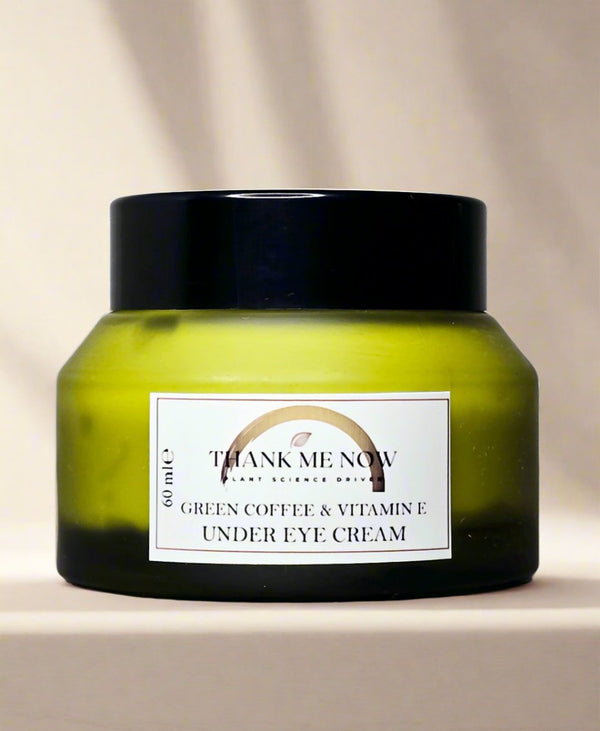
Green Coffee & Vitamin E Under Eye Cream – Revitalize & Brighten Tired Eyes
★★★★★()
Fight Puffiness & Dark Circles with the Power of Caffeine and Vitamin E
Share