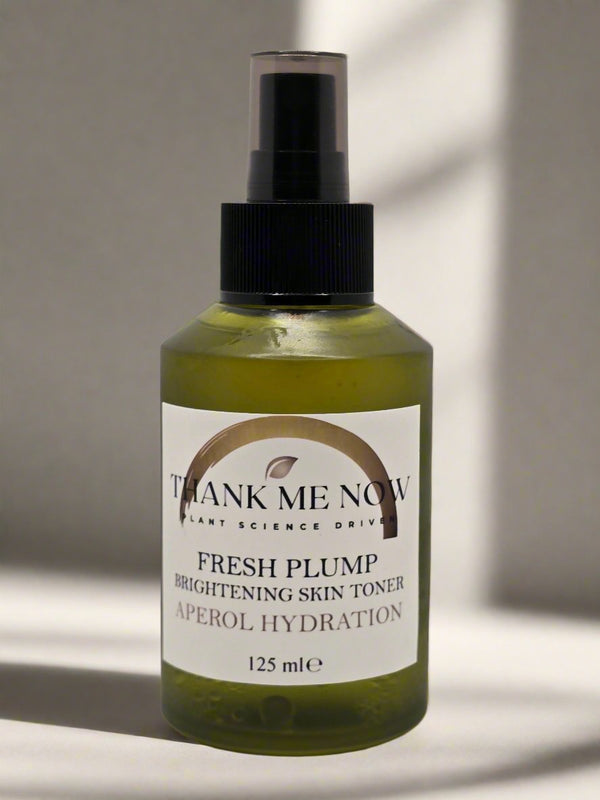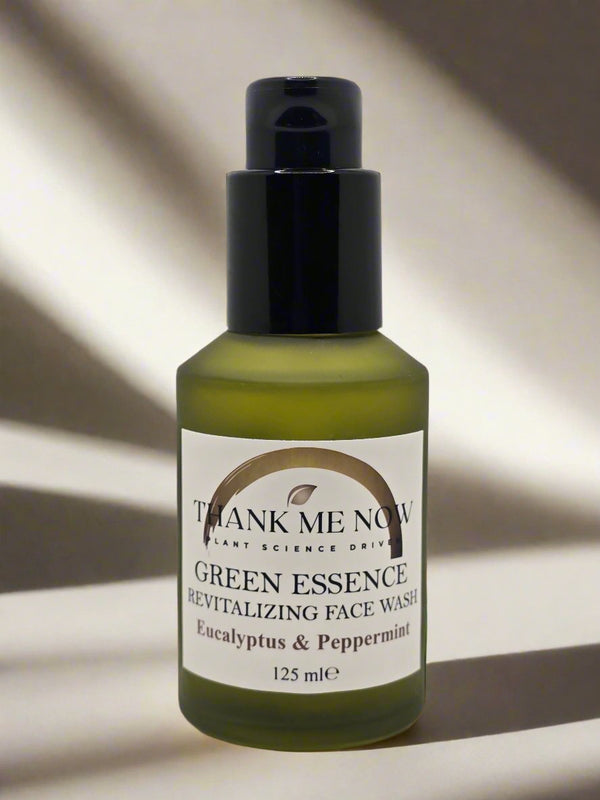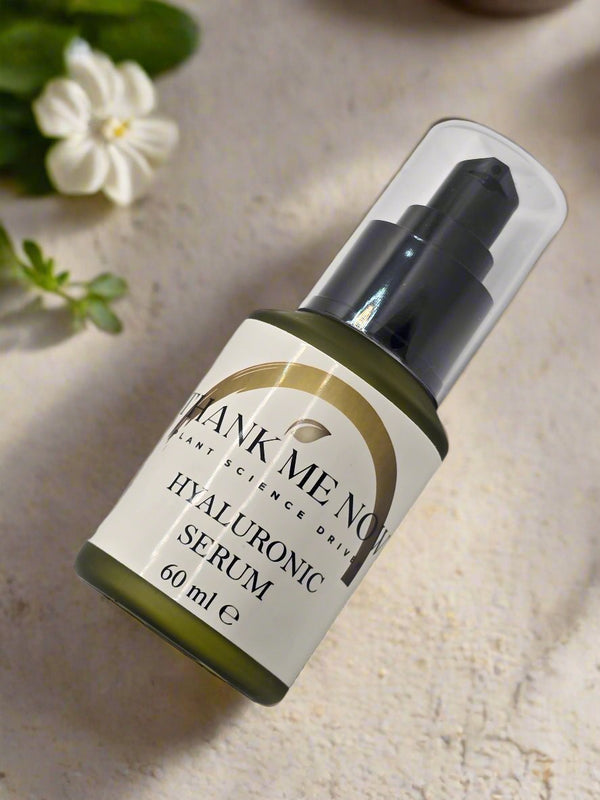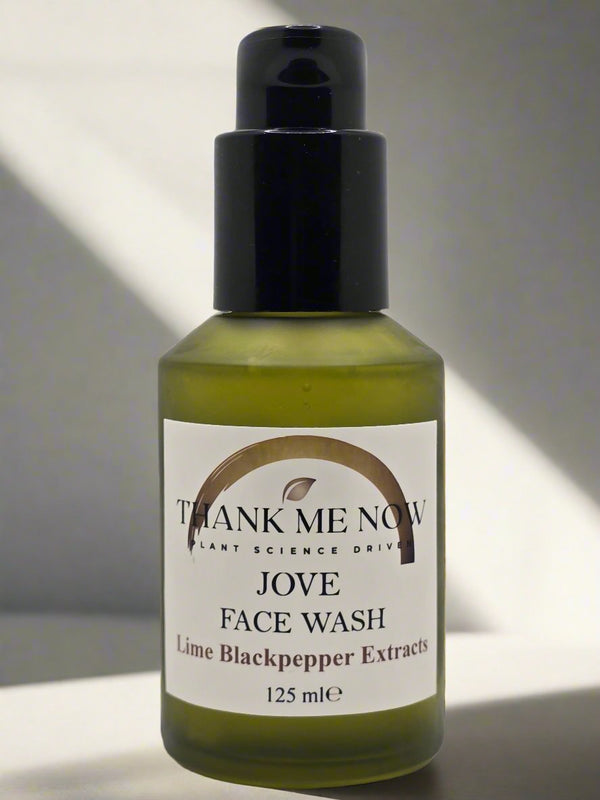

Aloe Vera – Cooling Botanical Comfort, Hydration Support & Routine Harmony 🌿
Why Aloe Vera Matters: The Most Recognised Soothing Botanical
Aloe Vera represents one of skincare’s most trusted comfort ingredients. Known for its cooling, hydrating, and calming properties, Aloe Vera delivers immediate relief while remaining gentle enough for daily, long-term use.
- Instant cooling and soothing feel
- Light hydration and comfort support
- High tolerance across skin types
- Excellent adaptability in most routines
This makes Aloe Vera ideal for everyday skincare, especially for sensitive, dehydrated, or environmentally stressed skin.
Key Takeaways 🌱
- Derived from Aloe vera leaves
- Delivers cooling comfort and light hydration
- Highly compatible with most actives
- Low irritation risk
- Ideal for long-term, daily use
Emotional Benefit 🌿
Aloe Vera provides a sense of familiar calm and reassurance, helping skincare routines feel safe, comforting, and dependable — especially during irritation, sun exposure, or routine overload.
Sensory Profile ✨
Aloe Vera is known for its instantly recognisable, comforting sensory experience.
- Texture: Gel-like to lightly viscous
- Color: Clear to pale green
- Feel: Cooling, soft, slightly cushiony
- Aroma: Neutral to faint botanical
Molecule Spotlight 🔬
- Polysaccharides → hydration and soothing support
- Amino acids → skin conditioning
- Trace phenolics → antioxidant buffering
Tech Behind the Ingredient ⚙️
- Fresh leaf gel extraction or stabilised aloe processing
- Low-temperature handling to preserve bioactives
- Standardisation for consistent performance
Benefits 🌱
- Soothes irritated or sensitised skin
- Provides cooling comfort
- Supports hydration feel
- Improves routine tolerance
- Balances stressed skin
Side Effects ⚠️
- Very rare irritation or allergy
- Patch testing recommended for highly sensitive individuals
Uses 🧴
- Soothing gels and creams
- Hydrating serums
- Post-sun care
- Barrier-support routines
Core Components 🔬
| Component | Function | Skin Benefit |
|---|---|---|
| Polysaccharides | Hydration support | Comfort, softness |
| Amino acids | Conditioning | Skin smoothness |
| Trace antioxidants | Defence | Stress buffering |
Usage & Suitability 🧪
- Suitable for all skin types
- Excellent for sensitive and dehydrated skin
- Safe for AM and PM routines
INCI List 📜
| INCI Name | Function |
|---|---|
| Aloe Barbadensis Leaf Juice / Gel | Soothing, hydrating botanical ingredient |
Solubility 💧
- Water-soluble
- Compatible with gels, serums, and emulsions
Maximum Safe Use Concentration (MSUC) 🧪
- Leave-on products: 1–100% (depending on format)
- Suitable for daily use
Chemical Family & Composition 🧬
- Polysaccharides
- Amino acids
- Plant sugars & minerals
Compatibility & Pairing Matrix 🔄
| Ingredient | Compatibility | Why |
|---|---|---|
| Niacinamide | ✔ Excellent | Barrier-calming synergy |
| Hyaluronic Acid | ✔ Excellent | Hydration amplification |
| Retinoids | ✔ Good | Improves tolerance |
| Strong Acids | ⚠ With care | Alternate-day use |
Skin Type × Climate Usage Guide 🌍
| Skin Type | Hot/Humid | Temperate | Cold/Dry |
|---|---|---|---|
| Sensitive | Excellent | Excellent | Excellent (layer with cream) |
| Dry | Good | Excellent | Excellent |
| Oily | Excellent | Good | Good |
| Combination | Excellent | Excellent | Good |
Expectation Timeline (Week-by-Week) ⏱️
- Week 1: Immediate soothing and cooling
- Week 2–3: Improved hydration comfort
- Week 4+: More stable, calm skin behaviour
Texture Behavior in Formulations 🧴
- Adds slip and cushion to formulas
- Reduces harshness of actives
- Enhances overall sensorial comfort
Bioavailability & Skin Absorption Logic 🧠
- Acts primarily on the skin surface
- Supports hydration and comfort signalling
- Not designed for deep penetration
Ingredient Pairing Archetypes 🔗
- Daily Comfort: Aloe Vera + Hyaluronic Acid
- Sensitive Core: Ceramides + Aloe Vera
- Active Buffer: Retinoid + moisturiser + Aloe Vera
Mistakes to Avoid (Quick Scan) ❌
- Expecting corrective or brightening effects
- Using alone in very dry climates
- Stacking multiple aloe formats unnecessarily
Skin Signals Guide 🚦
- Redness: Increase frequency
- Tightness: Seal with moisturiser
- Balanced: Maintain routine
Who Should Avoid It? ⚖️
- Known aloe allergies (rare)
Why Should You Use Aloe Vera? 💡
Aloe Vera is chosen when skin needs reliable comfort, cooling relief, and hydration without aggressive correction.
What to Do ✅
- Apply after cleansing
- Use before serums or creams
- Layer under actives to improve tolerance
When to Do It ⏰
- AM: To prep skin for the day
- PM: To restore comfort
- After sun exposure
What Happens If You Don’t Use Aloe Vera? ❓
- Less immediate soothing during irritation
- Greater reliance on heavier calming products
What Happens If You Misuse Aloe Vera? ⚠️
| Misuse Scenario | Possible Outcome | Correction |
|---|---|---|
| Using alone in dry climate | Tightness | Seal with moisturiser |
| Over-layering aloe products | Heavy feel | Choose one aloe format |
Who Should Use It? 👤
- Sensitive or dehydrated skin
- Beginners building routines
- Post-sun or irritated skin
Who Should Avoid It? ⚖️
- Known aloe allergies
Safety Profile 🛡️
- Low sensitisation potential
- Non-comedogenic
- Safe for long-term daily use
pH Influence ⚗️
- Functions optimally between pH 5.0–6.5
- Supports skin’s natural pH recovery
Layering Warnings ⚠️
- Do not replace moisturiser in dry climates
- Avoid stacking multiple aloe formats
Stability & Storage 🧊
- Stable when properly preserved
- Protect from heat and light
Sustainability & Sourcing 🌱
| Aspect | Best Practice | Impact |
|---|---|---|
| Leaf harvesting | Mature-leaf selection | Plant regeneration |
| Processing | Low-temperature stabilisation | Preserves actives |
Cultural & Traditional Use 🌍
Aloe Vera has been used for centuries across cultures for cooling, soothing, and skin recovery.
Dermatologist Insight 🧑⚕️
“Aloe vera remains one of the most reliable ingredients for calming irritated or sun-stressed skin.”
The Science of Feel 💫
- Instant cooling response
- Reduced sensory irritation
- Improved comfort perception
The Cumulative Effect ➕
- Short term: Immediate relief
- Mid term: Improved tolerance
- Long term: Stable, resilient skin
Formulator Notes 🧪
- Works across gels, serums, and creams
- Pairs well with niacinamide, panthenol, ceramides
Suggestions & Expert Tips 💡
- Use consistently for best results
- Ideal post-sun ingredient
Who Benefits Most 💚
- Sensitive or sun-stressed skin
- Dehydrated skin
Who Benefits Least ⚖️
- Those seeking exfoliation or brightening alone
Marketing Story ✨
“Timeless, trusted, and universally calming — Aloe Vera remains skincare’s most comforting constant.”
UX Quick Summary 🧩
- Familiar and reassuring
- Easy to layer
- High daily-use compliance
Ingredient Definition & Scope 📖
Aloe Flower Extract is a specialized botanical extract derived from the flowers of Aloe barbadensis. Unlike aloe leaf–based ingredients, the flower extract is not hydration-centric. Its primary role lies in antioxidant signaling, stress-response modulation, and cellular protection.
This makes Aloe Flower Extract particularly valuable in routines focused on environmental defense, sensitive antioxidant support, and long-term skin resilience rather than moisture delivery.
Botanical Origin & Plant Physiology 🌼
Aloe flowers are metabolically distinct from aloe leaves. While leaves store water and polysaccharides, flowers concentrate polyphenols, flavonoids, and reproductive defense compounds designed to protect genetic material.
- Higher antioxidant density than leaf juice
- Lower polysaccharide content
- Rich in UV-protective phytochemicals
Phytochemical Profile 🔬
| Compound Class | Presence | Skin Relevance |
|---|---|---|
| Flavonoids | High | Antioxidant & anti-stress signaling |
| Phenolic acids | Moderate | Pollution & oxidative buffering |
| Carotenoid traces | Low–Moderate | Photoprotective support |
Extraction & Standardization ⚙️
Aloe Flower Extract is typically produced via controlled aqueous or hydro-glyceric extraction to preserve fragile polyphenols.
- Low-temperature extraction preferred
- Standardization based on total phenolic content
- Over-processing reduces antioxidant efficacy
Solubility & Formulation Behavior 💧
Aloe Flower Extract is water-soluble and integrates best into emulsions and serums where antioxidant stability is prioritized.
- Not oil-soluble
- Stable in pH 5.0–6.5 systems
- Performs best when protected from air exposure
Maximum Safe Use Concentration (MSUC) 🧪
| Product Type | Typical Range | Notes |
|---|---|---|
| Leave-on | 0.2–2% | Antioxidant support |
| Sensitive-skin formulas | 0.2–1% | Lower irritation risk |
| Professional formulations | Up to 3% | Requires stabilization |
Biological Mechanism of Action 🧠
Aloe Flower Extract works primarily through oxidative stress modulation rather than hydration or barrier repair.
- Neutralizes reactive oxygen species (ROS)
- Reduces inflammation signaling cascades
- Supports cellular longevity pathways
Antioxidant Positioning 🛡️
Aloe Flower Extract is considered a gentle antioxidant, suitable for users who cannot tolerate strong actives like ascorbic acid.
- Lower irritation risk than vitamin C
- Complements, rather than replaces, core antioxidants
- Ideal for long-term preventative care
Skin-Type Compatibility 💛
| Skin Type | Suitability | Reason |
|---|---|---|
| Sensitive | Excellent | Low reactivity profile |
| Dry | Good | Requires hydration pairing |
| Oily | Excellent | Non-comedogenic |
| Acne-prone | Good | Supports inflammation control |
Climate Performance 🌍
Aloe Flower Extract excels in environments where oxidative stress is elevated.
- Urban pollution → excellent support
- High UV climates → supportive antioxidant layer
- Cold, dry climates → pair with barrier ingredients
Compatibility Matrix 🔄
| Ingredient | Compatibility | Notes |
|---|---|---|
| Niacinamide | Excellent | Synergistic stress control |
| Vitamin C derivatives | Good | Gentle antioxidant layering |
| Retinoids | Good | Reduces oxidative irritation |
| Strong acids | With care | Use as recovery support |
Incompatibilities & Warnings ⚠️
- Avoid very high-pH formulations
- Do not rely on as sole antioxidant in high-UV exposure
- Patch test if botanical allergies exist
Long-Term Use Profile 📆
Aloe Flower Extract is designed for continuous, year-round use.
- No tolerance buildup
- No dependency effect
- Supports gradual resilience improvement
Age-Specific Benefits 👶👩👵
| Age Group | Primary Benefit |
|---|---|
| 20s–30s | Environmental defense |
| 30s–40s | Early oxidative aging prevention |
| 50+ | Cellular stress reduction |
Acne & Inflammation Context 🔬
While not an acne treatment, Aloe Flower Extract supports calmer inflammatory environments.
- Non-comedogenic
- Supports redness reduction
- Complements acne actives
Pregnancy & Special Populations 🤰
- Safe for topical use during pregnancy
- Suitable post-procedure (after re-epithelialization)
- Appropriate for reactive skin conditions
Storage & Stability 🧊
- Protect from light and air exposure
- Best stored in opaque or airless packaging
- Antioxidant degradation occurs with prolonged heat
Regulatory Status 🌐
Aloe Flower Extract is globally permitted for cosmetic use.
- EU: Approved
- US: Approved
- Asia-Pacific: Widely accepted
Aloe Flower Extract vs Other Aloe Forms 🌿
| Form | Primary Role | Intensity |
|---|---|---|
| Aloe Water | Cooling hydration | Very Low |
| Aloe Leaf Juice | Hydration + soothing | Moderate |
| Aloe Flower Extract | Antioxidant protection | Moderate–High |
| Aloe Leaf Extract | Biological calming | High |
Formulator Insight 🧪
Aloe Flower Extract is best used as a secondary antioxidant that enhances tolerance and stability rather than replacing cornerstone actives.
Marketing Positioning ✨
“Aloe Flower Extract — where aloe’s resilience blooms into antioxidant protection.”
Final Science Verdict 🔬
Aloe Flower Extract delivers subtle yet meaningful antioxidant protection, ideal for sensitive, stressed, or urban-exposed skin. Its strength lies in long-term resilience, not immediate correction.
Explore the Aloe Comfort Collection 🌿
“From cooling waters to adaptive extracts — aloe supports every skin state.”
Aloe Seed Extract · Aloe Vera · Aloe Water · Aloe Flower Extract · Aloe Ferment · Aloe Leaf Juice
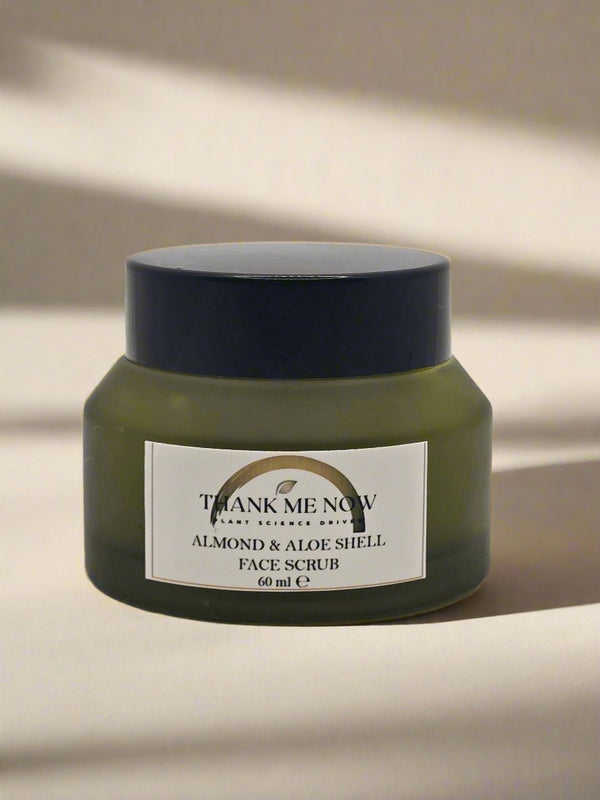
👉 Try our Aloe Vera Face Scrub.
FAQs
Is Aloe Vera suitable for sensitive skin?
Yes, it is widely tolerated; patch testing is advised if highly reactive.
Can I use Aloe Vera daily?
Yes, it is suitable for daily AM and PM use.
How fast does Aloe Vera work?
Cooling comfort is often immediate; hydration benefits build with regular use.
External References 🔗
- Aloe vera: A short review of its therapeutic effects on skin and wound healing – PubMed
-
Polysaccharides from Aloe vera and their biological activities – National Center for Biotechnology Information
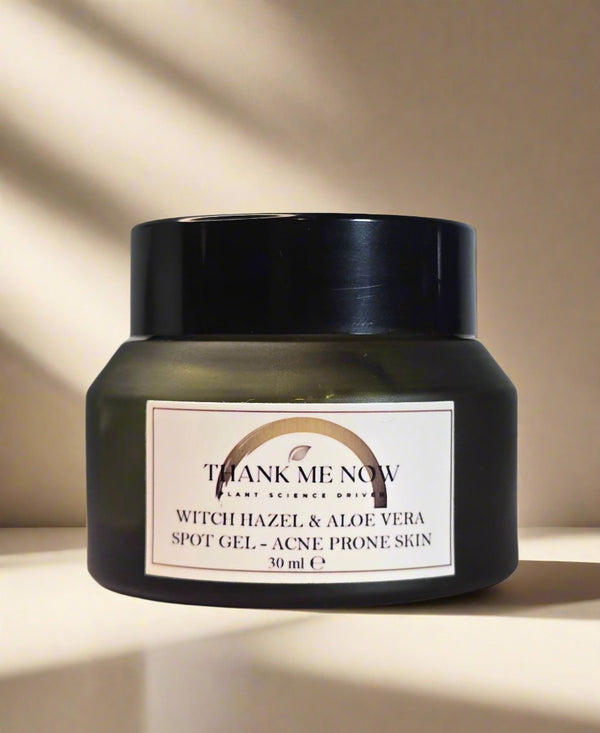
Shop products with Aloe vera