
Dry Skin Routine
Dry Skin Routine
Dry skin isn’t just about lacking moisture — it’s about a weakened barrier struggling to retain hydration. When skin’s lipid layer (made of ceramides, cholesterol, and fatty acids) thins out, it loses water faster than it can replenish. This results in flaking, tightness, dullness, and even sensitivity. The right routine restores not just moisture, but resilience — helping your skin feel nourished, smooth, and calm again. Remember: your skin deserves the same love you give others 🌸
Morning
- Cream cleanser (non-foaming): A gentle, pH-balanced cream cleanser removes impurities without stripping natural oils. Unlike foaming gels, it maintains your skin’s lipid barrier — essential for reducing dryness and redness.
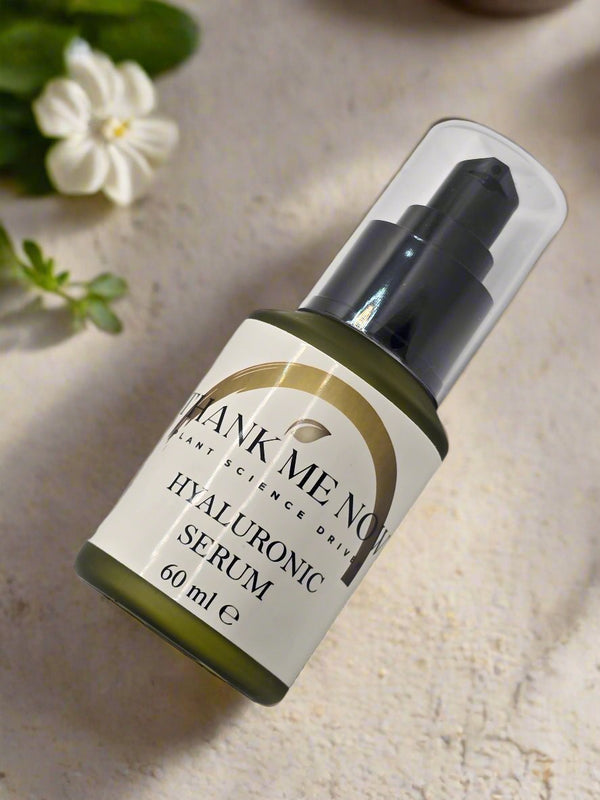
- Hyaluronic Acid serum: A humectant powerhouse that draws and holds up to 1000x its weight in water, instantly plumping the skin. Layering it on damp skin helps trap hydration deep into the epidermis.
- Rich moisturiser with Ceramides: Ceramides are the mortar between your skin cells — rebuilding what environmental stress and age take away. Together with fatty acids and cholesterol, they restore your barrier for all-day comfort.
- SPF: UV exposure worsens dryness and fine lines. A nourishing sunscreen with moisturising agents or squalane prevents dehydration while shielding your skin from invisible UV stress. SPF isn’t just protection — it’s daily barrier insurance ✨
Evening
- Cleanser: Use the same gentle cream cleanser to remove makeup, dust, and pollutants while keeping the skin cushioned and calm.
- Layer Hyaluronic Acid + Niacinamide: Hyaluronic acid binds water to your cells, while niacinamide strengthens the skin barrier, reduces irritation, and improves tone. Together, they form a hydrating duo that repairs while you sleep.
- Occlusive moisturiser (with shea butter or squalane): This step seals in everything. Occlusives like shea butter, petrolatum, or squalane prevent transepidermal water loss (TEWL), ensuring hydration stays where it belongs — inside your skin.
Tip: Apply products on damp skin to lock in hydration — water is the carrier of moisture, not just a step. Pat your face dry lightly, never fully, before applying serums or creams.
Scientific Mechanism — Why Dry Skin Happens
Dry skin lacks adequate sebum and natural moisturizing factors (NMFs) such as urea, lactic acid, and amino acids. Environmental triggers like cold air, hot showers, harsh cleansers, and low humidity accelerate water loss. Over time, this disrupts the stratum corneum (outer barrier), allowing irritants to penetrate easily. The goal of this routine is to replenish NMFs, restore barrier lipids, and reduce inflammation — creating harmony between hydration and protection.
Do’s & Don’ts
| ✅ Do | Why | ❌ Don’t | Why Not |
|---|---|---|---|
| Cleanse with cream or milk formulas | Prevents lipid loss | Use foaming or sulfate cleansers | Strips natural oils, worsens dryness |
| Apply on damp skin | Maximizes humectant performance | Apply on dry skin | Humectants pull moisture from within, not air |
| Use occlusive moisturiser | Seals in hydration overnight | Skip moisturiser | Causes flaking and rough texture |
Explanation: Dry skin thrives on nourishment and sealing. Think of your routine as layering comfort — hydration first, then moisture, then protection.
Why Use It vs What If You Don’t
| Aspect | With Dry Skin Routine | Without Proper Routine |
|---|---|---|
| Barrier health | Strong, hydrated, resistant | Flaky, dull, and prone to irritation |
| Comfort | Soft and supple skin | Tightness and itching after cleansing |
| Ageing signs | Slower wrinkle formation | Accelerated fine lines and dehydration cracks |
Interpretation: Regular moisturisation isn’t vanity—it’s biology. Consistent hydration supports enzymatic repair, collagen preservation, and a glowing surface that reflects care and consistency.
Pros & Cons
| Pros | Cons |
|---|---|
| Improves barrier function and elasticity | Requires patience for visible results |
| Enhances natural glow and comfort | Overuse of heavy occlusives may cause minor congestion |
| Supports anti-ageing processes | Needs seasonal adjustment (lighter in summer) |
Insight: The biggest advantage of this routine is long-term skin comfort and resilience — dryness relief today means fewer wrinkles tomorrow.
Men vs Women — Practical Nuance
| Aspect | Women | Men |
|---|---|---|
| Barrier structure | Thinner epidermis, more sensitivity | Thicker skin, post-shave dryness |
| Routine focus | Hydration + makeup layering comfort | Soothing + after-shave barrier care |
| Product texture | Rich creams with ceramides | Light creams or gels with squalane |
Why this matters: Men’s skin can tolerate slightly richer occlusives post-shave, while women may prefer smoother layering textures. Both benefit from barrier-repair actives like ceramides and niacinamide.
Advantages, Disadvantages & Key Points
- 🌿 Strengthens the natural barrier and locks in hydration.
- 💧 Reduces dullness, flaking, and sensitivity with consistent care.
- ⚡ Builds long-term comfort and glow without irritation.
- 🧴 Disadvantage: Heavier moisturisers may feel rich in humid climates—adjust seasonally.
- ✨ Key Point: Balance humectants (like HA) with occlusives (like shea or squalane) for lasting hydration.
FAQs
1) How often should I moisturise?
Twice daily—morning and night. Reapply during the day if skin feels tight or dry from AC exposure.
2) Can I exfoliate dry skin?
Yes, gently. Use lactic acid or enzyme exfoliants 1–2x/week to remove dead cells without stripping oils.
3) Is petroleum jelly good for dry skin?
Yes, it’s an occlusive that seals in moisture effectively. Apply as the last layer at night on very dry areas.
4) Can I use oils instead of moisturiser?
Oils help seal in hydration but don’t provide water. Always layer them over humectants or moisturisers, not alone.
5) Does diet affect dryness?
Absolutely. Include omega-3s (fish, flaxseeds), vitamin E, and plenty of water intake — skincare works best when supported from within.
External References
- American Academy of Dermatology — Dry Skin Care Basics
- PubMed — Role of Ceramides and Lipid Layers in Skin Hydration
- NIH/PMC — Barrier Function & Topical Strategies
Internal References
- Hyaluronic Acid Benefits & Uses
- Ceramides — Barrier Repair Explained
- Niacinamide — The Skin Balancer
Verdict 🌸
Dry skin isn’t a flaw — it’s a signal. With the right care, you can transform tightness into comfort and dullness into glow. This gentle, layered approach helps your skin rediscover balance and resilience. Every pat, every layer, every drop of moisture is self-care in motion. Be patient and consistent — your skin will respond with gratitude and radiance. Because consistency glows louder than filters ✨
Shop products with Hyaluronic acid