
💧 Hyaluronic Acid vs Glycerin – Which Hydrator Works Better?
Both Hyaluronic Acid and Glycerin are adored in skincare for keeping skin plump, smooth, and hydrated. Though both draw water into the skin, they differ in how deeply they work and how they feel on the skin — making each shine in different routines.
💦 Hyaluronic Acid
- Binds up to 1000× its weight in water, instantly boosting surface hydration and giving that dewy, “glass-skin” glow.
- Works best on damp skin and should be sealed with a cream to prevent moisture loss in dry air.
- Different molecular weights reach different layers of the skin — low-molecular HA penetrates deeper, while high-molecular stays on top for surface smoothness.
When to Skip or Modify:
In low-humidity environments (under 30%), use it with a rich cream or oil to avoid moisture evaporation from your skin.
🌿 Glycerin
- A classic, non-irritating humectant that pulls and locks water within your skin barrier.
- Supports barrier repair and is well-tolerated even by sensitive or eczema-prone skin.
- Pairs beautifully with moisturizers and hydrating masks for lasting comfort.
When to Be Mindful:
Very high concentrations may feel slightly sticky — look for balanced formulas with barrier lipids or ceramides.
✨ Which to Choose?
Hyaluronic Acid gives an instant, supple feel — perfect for morning routines and makeup prep — while Glycerin offers steady, long-term hydration for dry, sensitive, or barrier-compromised skin. The best formulas often blend both for lasting glow and resilience.
🧴 Where You Can Use Them
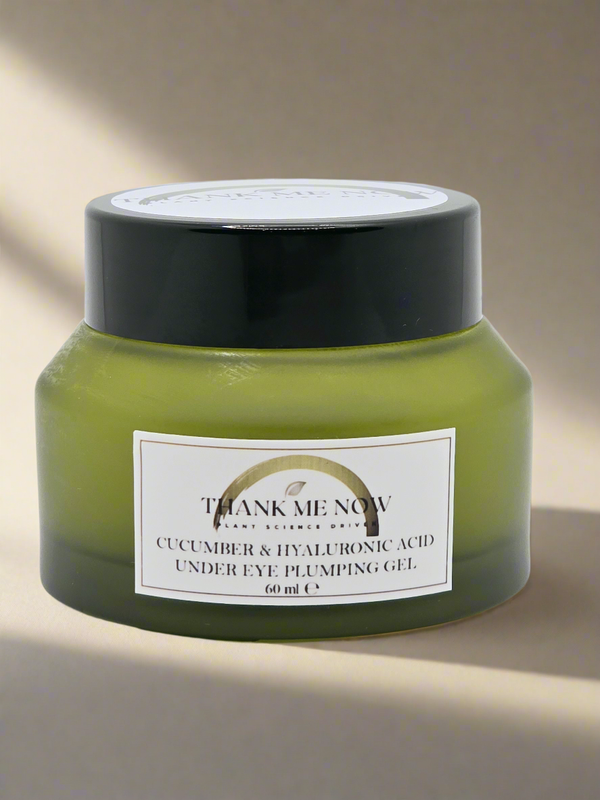
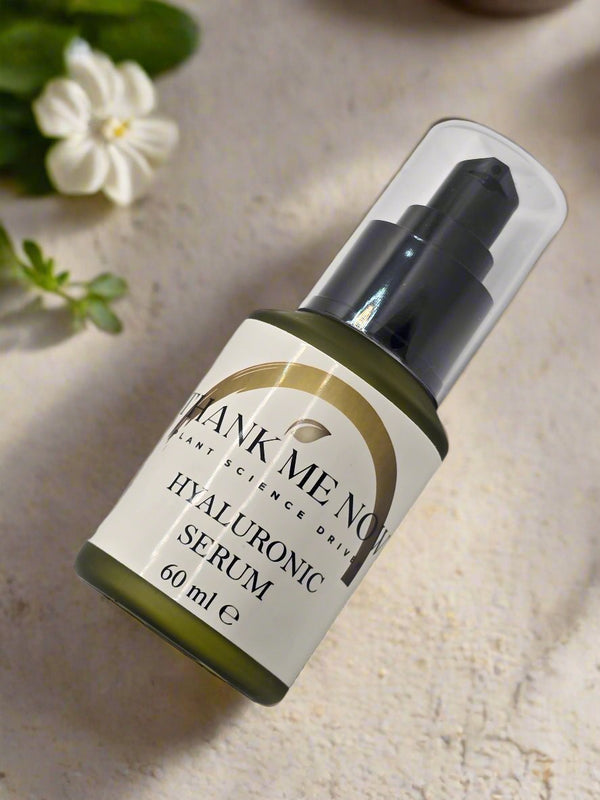
For daily care: try a Hyaluronic Serum in the morning for instant freshness, and a Glycerin-based night cream to deeply restore your skin while you sleep.
🧠 How They Work Inside the Skin
Hyaluronic Acid is part of your skin’s natural extracellular matrix, binding water and keeping it bouncy. Glycerin integrates within your lipid layers, reinforcing the barrier and reducing transepidermal water loss (TEWL).
📚 References
Shop products with Glycerin